
The Spin | ‘We have a hoot on the field’: Oswestry CC boasts 10 mother-daughter pairs
Women and Girls section has built strong family dynamic since launching in 2018 – and embraced Wags monikerThe acronym Wags first entered popular consciousness in 2006 during England’s football World Cup adventures in Baden-Baden. Victoria Beckham, Cheryl Tweedy and the gang became a sneering tabloid obsession, their matching outfits, nightclub antics and hair extensions gleefully picked apart.Twenty years later, a very different set of Wags are causing a stir at Oswestry Cricket Club on the north Shropshire-Wales border. The thriving Women and Girls section (WaGs) has an astonishing 10 mother and daughter pairs who have played competitive cricket together, ranging from 12 years old to 67.The oldest member is the irrepressible Jools Payne, team manager and founding player

From the Pocket: Voss coached the way he played and his brutal football failed Carlton
When John Elliott died in 2021, the old, dark, imperial Carlton was dead. The new Carlton was grounded on “respect, humility and integrity”. The new president was a master networker. The new chief executive was the best administrator in football. The new coach had been one of the great players of his generation

Cleary to finish up as Panthers coach and end greatest modern-day NRL dynasty
Ivan Cleary has 18 months remaining in his current role at the Penrith Panthers before the four-time premiership-winning NRL coach steps aside and his assistant Peter Wallace takes over.The 55-year-old announced on Wednesday he would not renew his contract when it expires at the end of next season, but will remain in Penrith in an advisory role beyond 2027.He said he had mulled over the decision for the past 12 months.“It’s a decision that I haven’t taken lightly,” Cleary said. “But I’ve thought about [it] for quite a long time
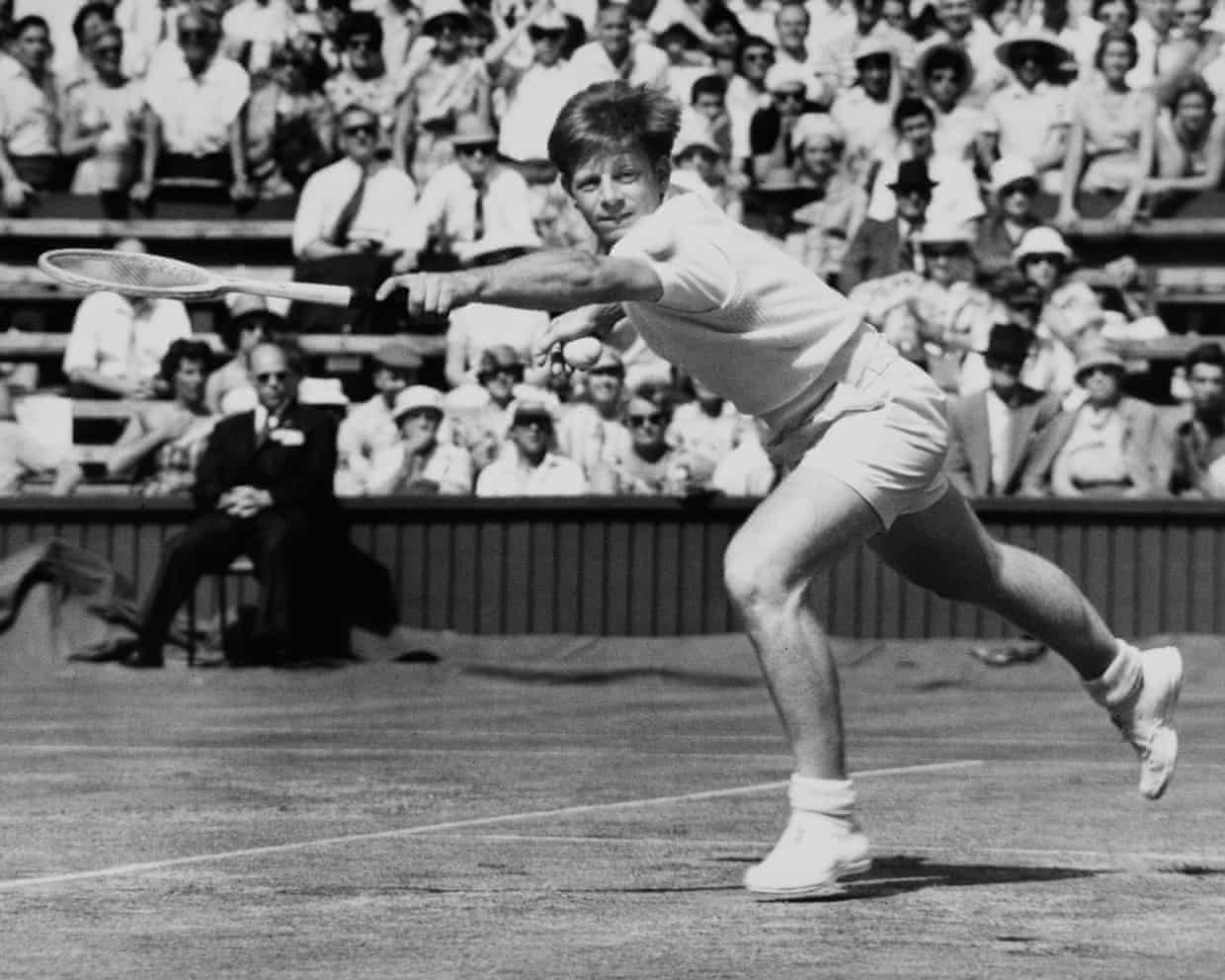
Billy Knight obituary
Billy Knight, who has died aged 90, was a stalwart of British tennis long before Andy Murray changed the landscape of the game in the UK.During the 1950s and 60s – an era that saw his compatriots Mike Davies, Bobby Wilson and Mike Sangster struggle to challenge the dominance of Australian and American players – Knight racked up 47 singles titles, won 21 of his 34 Davis Cup matches and earned a grand slam title at Roland Garros by teaming up with Mexico’s Yola Ramirez to win the French mixed doubles crown. Earlier he had been a Wimbledon and Australian junior champion.Unusually for a British player, Knight was a clay court specialist. With a game based on powerful ground strokes and an effective left handed serve, he won the British Hard Court Championships at Bournemouth three times (in 1958, 1963 and 1964) and, on the slowest of red clay courts in Hamburg, took the German title over the South African No 1, Ian Vermaak, in 1959

Rory McIlroy claims he knew LIV was in trouble and breakaway tour was always a ‘risk’
Rory McIlroy has revealed he heard rumblings of impending trouble for LIV Golf weeks before Saudi Arabia’s Public Investment Fund (PIF) confirmed it would withdraw funding for the circuit. The Masters champion believes the PIF approach highlights the danger of sport becoming reliant on anything that can be affected by world affairs.LIV is engaged in a race against time to survive with PIF, which has bestowed more than $5bn (£3.7bn) on the tour, to exit at the end of 2026. News of that, which emerged in the immediate aftermath of McIlroy’s successful defence at Augusta National last month, shocked those within LIV but not the Northern Irishman

Jake Paul admits broken jaw from Anthony Joshua fight may have ended boxing career
Jake Paul has admitted the broken jaw he suffered during his loss to Anthony Joshua in December may have ended his boxing career.The YouTuber turned boxer was stopped during December’s fight after a brutal shot from former world champion Joshua. Paul said the injury is still being monitored five months later.“We’ll see what my doctors say,” Paul told Uncrowned on Monday. “I’ll be able to get a more accurate timeframe, or can I even fight again? That is definitely in the realm and possibilities of things [that I can’t]

Did breakthrough in US fentanyl crisis start in China?

Older people risk mental decline if they do long hours of caring, UK study shows

Steve Lismore obituary

Renters’ Rights Act could worsen court delays without proper funding | Letters

‘Everyone was in tears’: the tenants given eviction notices just before ban in England

Ash scattering is a risky business | Brief letters